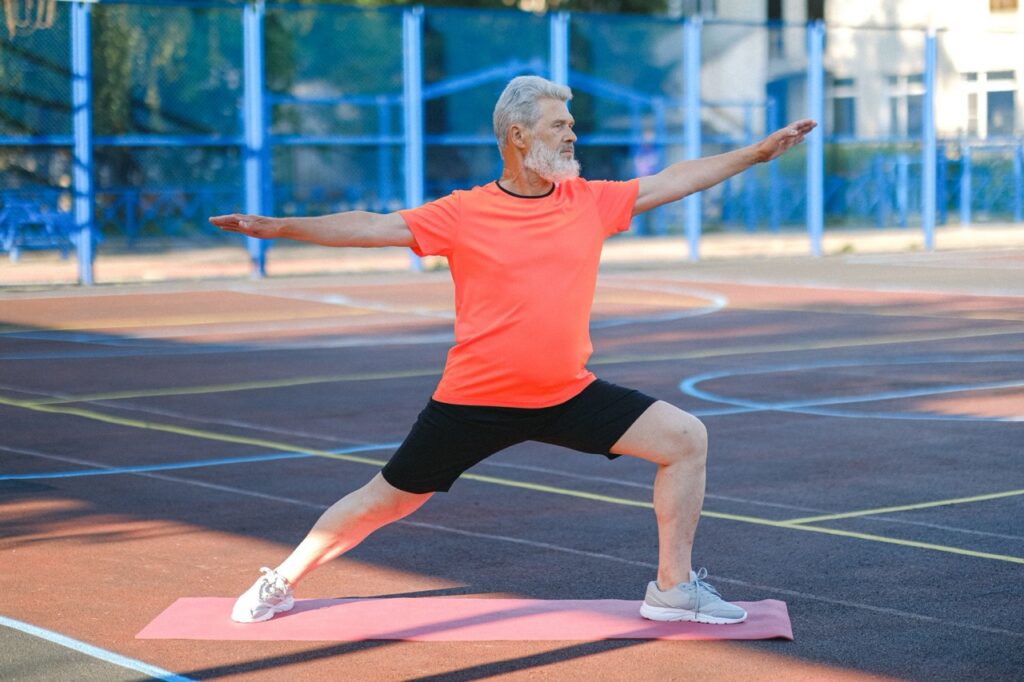

Exercise is a cornerstone of a healthy lifestyle. Incorporating a range of movement types can maximise physical and mental wellbeing. Three core forms of exercise that complement one another are cardiovascular training, yoga and resistance training. Each provides distinct physiological benefits and, when combined, forms a well-rounded and sustainable fitness routine.
Cardiovascular Exercise: Supporting Heart Health and Endurance
Benefits
Heart health
Regular aerobic activity strengthens the heart muscle, improves circulation and is associated with a reduced risk of cardiovascular disease.
Weight management
Cardiovascular exercise increases energy expenditure and can support weight maintenance or weight reduction when combined with appropriate nutrition.
Endurance and stamina
Consistent aerobic training improves cardiorespiratory fitness, allowing the body to use oxygen more efficiently and enhancing overall stamina.
Mental wellbeing
Aerobic activity is associated with improved mood and reduced symptoms of anxiety and depression, partly due to neurochemical and hormonal responses to exercise.
Recommendations
Adults are generally advised to aim for at least 150 minutes of moderate intensity aerobic activity or 75 minutes of vigorous intensity activity per week, or an equivalent combination. Including a variety of activities may improve adherence and ensure broader muscular engagement.
Yoga: Flexibility, Mobility and Mind Body Integration
Yoga combines physical postures, breathing techniques and mindfulness practices. Styles vary, but most incorporate elements of mobility, balance and controlled breathing.
Benefits
Flexibility and balance
Regular practice can improve joint mobility, muscle flexibility and balance, which are important for injury prevention and functional movement.
Stress reduction
Breathing exercises and mindful movement are associated with reduced perceived stress and improved relaxation.
Posture and alignment
Yoga can strengthen postural muscles and enhance body awareness, which may support better alignment in daily activities.
Chronic pain management
Evidence suggests yoga may help reduce symptoms in certain chronic musculoskeletal conditions, particularly lower back pain.
Recommendations
Practising yoga two to three times per week may produce noticeable improvements in flexibility and stress management. Beginners may benefit from guided sessions to ensure safe technique and progression.
Resistance Training: Building Strength and Bone Density
Benefits
Muscle strength
Strength training increases muscle mass and functional capacity, supporting daily activities and reducing frailty risk with ageing.
Bone density
Weight bearing and resistance exercises stimulate bone remodelling and are associated with improved bone density, particularly important in midlife and beyond.
Metabolic health
Greater muscle mass contributes to improved insulin sensitivity and may modestly increase resting metabolic rate.
Joint stability
Strengthening the muscles surrounding joints enhances stability and may reduce injury risk.
Recommendations
Resistance training is generally recommended at least two times per week, targeting all major muscle groups. Proper technique and gradual progression are important to reduce injury risk.
Integrating Cardio, Yoga, and Resistance Training
A balanced routine can incorporate all three forms of movement across the week. For example:
Monday: Cardiovascular exercise
Tuesday: Yoga
Wednesday: Resistance training
Thursday: Cardiovascular exercise
Friday: Yoga or mobility work
Saturday: Resistance training
Sunday: Rest or light activity such as walking
The specific structure can be adjusted based on individual goals, schedule and health status.
Conclusion
Combining cardiovascular exercise, yoga and resistance training provides a comprehensive approach to physical fitness. Together, they support heart health, muscular strength, mobility, mental wellbeing and long term functional independence. A varied and consistent approach to movement is more likely to be sustainable and beneficial over time than focusing on a single exercise modality.
References
- American Heart Association. Recommendations for Physical Activity in Adults.
- Centers for Disease Control and Prevention. Benefits of Physical Activity.
- Harvard Health Publishing. The Importance of Strength Training.
- Harvard Health Publishing. Yoga Benefits Beyond the Mat.
- Mayo Clinic. Aerobic Exercise: How to Get Started.
- National Center for Complementary and Integrative Health. Yoga: What You Need to Know.