Iron is fundamental to human life. It forms the core of haemoglobin, the protein in red blood cells that transports oxygen around the body. It is also essential for energy production, cognitive performance and normal immune function.
Iron deficiency remains the most common nutritional deficiency worldwide and disproportionately affects women. Menstrual blood loss, pregnancy and increased requirements during the reproductive years all contribute. Guidance from the NHS recognises iron deficiency anaemia as a common and clinically significant condition in the United Kingdom.
Haem and Non Haem Iron Explained
Iron in food exists in two principal forms, and understanding the difference is central to effective prevention.
Haem Iron
Haem iron is found in animal foods such as red meat, poultry, fish and seafood. It is absorbed efficiently through specialised transport systems in the gut and is less affected by other dietary factors. For individuals at risk of deficiency, haem iron is generally the most reliable dietary source.
Non Haem Iron
Non haem iron is found in plant based foods including pulses, lentils, beans, dark green leafy vegetables, nuts, seeds, dried fruit and fortified cereals and breads.
Absorption is more variable and influenced by other components of the meal. Vitamin C enhances uptake, whereas tea, coffee, calcium and phytates found in whole grains can inhibit absorption. The British Dietetic Association provides practical guidance on combining plant iron sources with vitamin C rich foods to optimise bioavailability.
Iron Deficiency and Anaemia
When iron intake or absorption is insufficient, haemoglobin production falls. This can progress to iron deficiency anaemia.
Common symptoms include:
- Persistent fatigue
- Shortness of breath on exertion
- Paleness
- Palpitations
- Headaches and dizziness
- Reduced concentration
Women are particularly vulnerable due to menstrual losses and pregnancy. Clinical assessment and treatment pathways are outlined in guidance from the National Institute for Health and Care Excellence.
Iron and Immune Function
Iron plays a critical role in immune regulation. It supports T cell proliferation, antibody production and immune cell differentiation. Deficiency can impair host defence and alter inflammatory responses.
In chronic inflammatory and autoimmune conditions, levels of the hormone hepcidin rise. Hepcidin reduces iron absorption and traps iron within storage cells, limiting its availability for red blood cell production. This mechanism contributes to anaemia of chronic disease and may coexist with true iron deficiency.
Maintaining adequate iron status is therefore important not only for oxygen transport but also for balanced immune function.
Micronutrient Interactions. Zinc, Magnesium and Copper
Iron does not operate in isolation.
Zinc and Magnesium
High dose zinc or magnesium supplements can compete with iron for absorption if taken simultaneously. When prescribed iron tablets, spacing other mineral supplements by two to three hours is a practical and regulator aligned strategy.
Copper
Copper is essential for iron metabolism. It acts as a cofactor for ceruloplasmin, an enzyme that oxidises iron so it can bind to transferrin and circulate in the bloodstream.
Copper deficiency can result in secondary iron deficiency anaemia, even when dietary iron intake is adequate. Excessive zinc supplementation may induce copper deficiency and indirectly impair iron utilisation. This interaction is recognised in nutritional and clinical literature.
Copper rich foods include nuts, seeds, shellfish, liver and whole grains. Monitoring may be appropriate when high dose zinc is prescribed.
Dietary Strategies for Adequate Iron
A balanced dietary approach remains first line prevention.
Haem Iron Sources
- Beef, lamb and pork
- Poultry
- Fish and seafood
Non Haem Iron Sources
- Fortified cereals and breads
- Pulses, beans and lentils
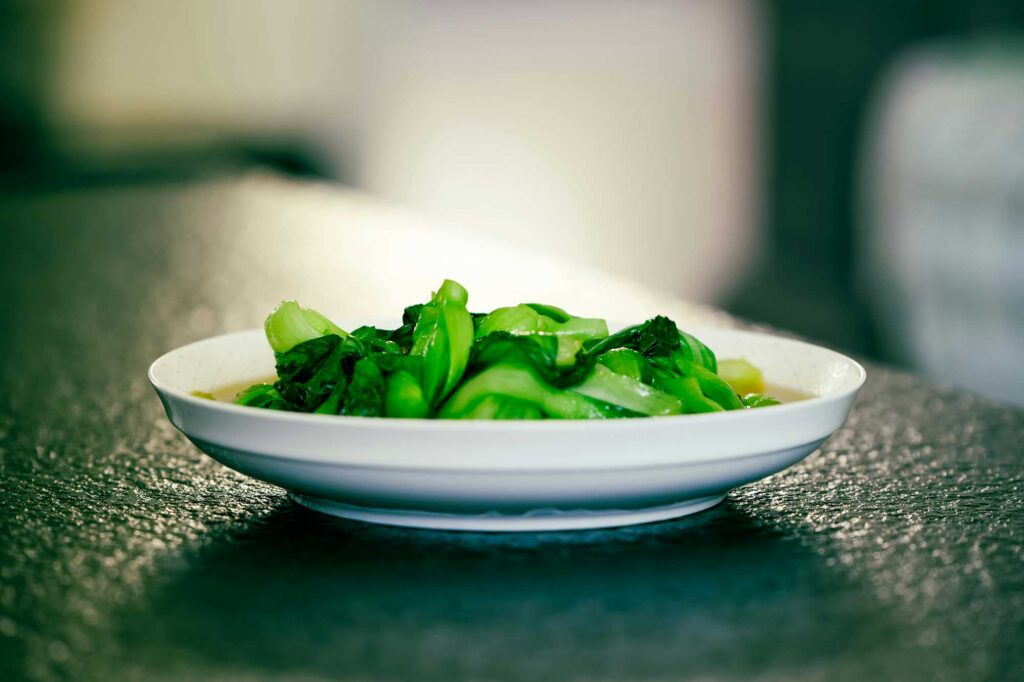
- Dark green leafy vegetables such as spinach and kale
- Nuts and seeds
- Dried fruit including apricots and raisins
Enhancing Absorption
- Combine plant iron sources with vitamin C rich foods such as citrus fruits, peppers or berries
- Soaking or fermenting certain plant foods may reduce phytate content
Reducing Inhibitors at Meals
- Avoid tea and coffee with iron rich meals
- Separate calcium and zinc supplements from iron tablets
Treatment of Iron Deficiency
Oral Iron
Oral iron is first line treatment according to NICE Clinical Knowledge Summaries. Haemoglobin typically begins to rise within two to four weeks, with iron stores replenished over eight to twelve weeks if adherence is maintained.
Gastrointestinal side effects are common. Dose adjustment or alternative preparations may improve tolerance.
Intravenous Iron
Intravenous iron is indicated when oral therapy is not tolerated, malabsorption is present or rapid correction is required. Haemoglobin may rise within one to two weeks, and iron stores are restored more quickly than with oral treatment.
Practical Monitoring
Management should include:
- Measurement of haemoglobin
- Assessment of ferritin to evaluate iron stores and full iron blood tests
- Investigation of underlying causes, particularly in women with heavy menstrual bleeding or gastrointestinal symptoms
Correction of deficiency should be confirmed with follow up testing to ensure both symptom resolution and biochemical recovery.
Evidence Based Conclusion
Iron, in both haem and non haem forms, is essential for oxygen transport, cellular energy and immune competence.
Regulator approved guidance supports:
- Dietary optimisation
- Oral supplementation as first line treatment
- Intravenous iron in selected cases
- Consideration of interactions with zinc, magnesium and copper
- Structured monitoring of haemoglobin and ferritin
A thoughtful, evidence based approach ensures effective correction of deficiency while avoiding unnecessary supplementation. In women’s health particularly, maintaining adequate iron status is not optional. It is foundational.
- NHS
Iron deficiency anaemia.
National patient and clinician guidance outlining symptoms, causes, treatment pathways and risk groups, including women of reproductive age. - National Institute for Health and Care Excellence
Anaemia Iron deficiency Clinical Knowledge Summary.
UK clinical thresholds, investigation guidance, oral iron dosing strategies and monitoring recommendations. - British Dietetic Association
Food Fact Sheet Iron.
Evidence based guidance on haem and non haem iron, absorption enhancers and inhibitors and dietary planning. - The Lancet Haematology
Camaschella C. Iron deficiency. 2015.
Authoritative review of iron metabolism, pathophysiology and global epidemiology. - Blood
Ganz T, Nemeth E. Hepcidin and iron homeostasis. 2012.
Explains the role of hepcidin in inflammation driven iron restriction and anaemia of chronic disease. - American Journal of Clinical Nutrition
Hurrell R, Egli I. Iron bioavailability and dietary reference values. 2010.
Reviews haem versus non haem absorption and the impact of vitamin C, phytates and calcium. - Proceedings of the Nutrition Society
Collins JF et al. Copper and iron interactions in human nutrition.
Discusses the role of copper dependent enzymes such as ceruloplasmin in iron transport and the impact of zinc induced copper deficiency. - British National Formulary
Iron preparations and intravenous iron monographs.
Dosing, indications, monitoring requirements and safety considerations for oral and intravenous iron therapy.