
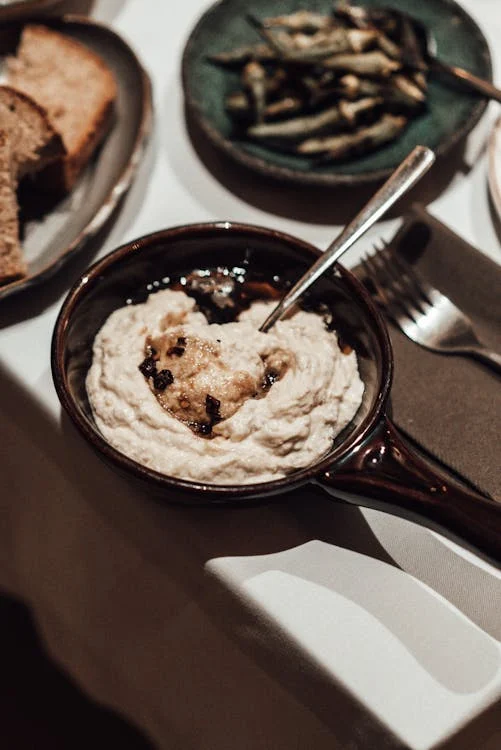
Sweet Potato Hummus

Makes 8 servings (1 serving ≈ ⅓ cup)

Nutrition (per serving): approximate values

  • Calories: 180
  • Fat: 10 g
  • Saturated Fat: 1 g
  • Cholesterol: 0 mg
  • Sodium: 415 mg
  • Carbohydrate: 19 g
  • Fiber: 3 g
  • Protein: 5 g

    Ingredients:

    • 1 large sweet potato (340–400 g), cooked and mashed
    • 1 x 400 g tin chickpeas, drained and rinsed
    • 60 ml tahini
    • 60 ml fresh lemon juice
    • 3 tablespoons extra-virgin olive oil
    • 1 small clove garlic, halved
    • 1½ teaspoons fine sea salt
    • 1 teaspoon ground cumin
    • ½ teaspoon cinnamon (optional)

    Directions:

    1. Place all ingredients into a blender or food processor.
    2. Blend until smooth and creamy.

    Tip:

    Serve with vegetables or seed crackers. To reduce sodium content per serving, cut the added sea salt to half of the current amount, add some pepper, or increase the other spices to desired taste.

    Here are some healthy snack ideas to pair with hummus:

    Vegetables:
    1. Carrot sticks
    2. Cucumber slices
    3. Bell pepper strips
    4. Celery sticks
    5. Cherry tomatoes
    6. Radishes
    7. Snap peas
    8. Broccoli florets
    9. Cauliflower florets

    Crackers and Chips:
    1. Whole grain crackers
    2. Seed crackers
    3. Baked pita chips
    4. Whole wheat pita bread
    5. Rice cakes

    Fruits:
    1. Apple slices
    2. Pear slices
    3. Grape tomatoes

    Other:
    1. Pretzel sticks
    2. Roasted chickpeas
    3. Stuffed mini bell peppers (with quinoa or other healthy fillings)
    4. Crispbreads

    These options provide fibre, phytonutrients and healthy fats, complementing the creamy texture of hummus while supporting balanced blood glucose and satiety.


    Dr. Patel

    Dr. Patel is deeply passionate about medical research and helping her patients improve their daily routines, reduce symptoms, and enhance overall health.

    More Articles

    Why B Vitamins Matter and Why the Form You Take Is Important

    B vitamins are a group of water-soluble nutrients that play important roles in energy metabolism, nervous system function, and overall wellbeing. Each B vitamin contributes to different physiological processes: B1 (Thiamine): Supports energy metabolism and nerve function. B2 (Riboflavin): Involved in energy production and acts as an antioxidant. B3 (Niacin): Supports metabolism and contributes to skin health. B5 (Pantothenic Acid): Helps the body metabolise fats, carbohydrates, and proteins. B6 (Pyridoxine / P-5-P): Supports brain function, neurotransmitter synthesis, and red blood

    Read More »

    Eat Your Greens: Support Your Gut, Hormones and Sleep 

    Cruciferous vegetables such as broccoli, kale, cabbage, cauliflower, and Brussels sprouts contain compounds called indoles. These naturally occurring compounds may contribute to overall wellbeing beyond digestion. How indoles May Support health Hormone Processing Compounds like indole-3-carbinol (I3C) and 3,3’-diindolylmethane (DIM) are involved in the body’s natural pathways for processing oestrogen. Including cruciferous vegetables as part of a balanced diet can support these natural metabolic processes. Gut Health Gut bacteria convert tryptophan from dietary protein into beneficial indole compounds. These compounds

    Read More »

    Soba Noodle Soup

    A warm, nourishing bowl featuring 100% buckwheat soba noodles, gently cooked vegetables, and a light, savoury broth. This recipe is free from wheat and dairy and uses simple, minimally processed ingredients. Ingredients (Serves 2) Broth Noodles Vegetables  Protein  Instructions Toppings Approximate nutrition for just broth + vegetables: Noodles (per 90 g dry per serving) Nutrition (per serving):

    Read More »