
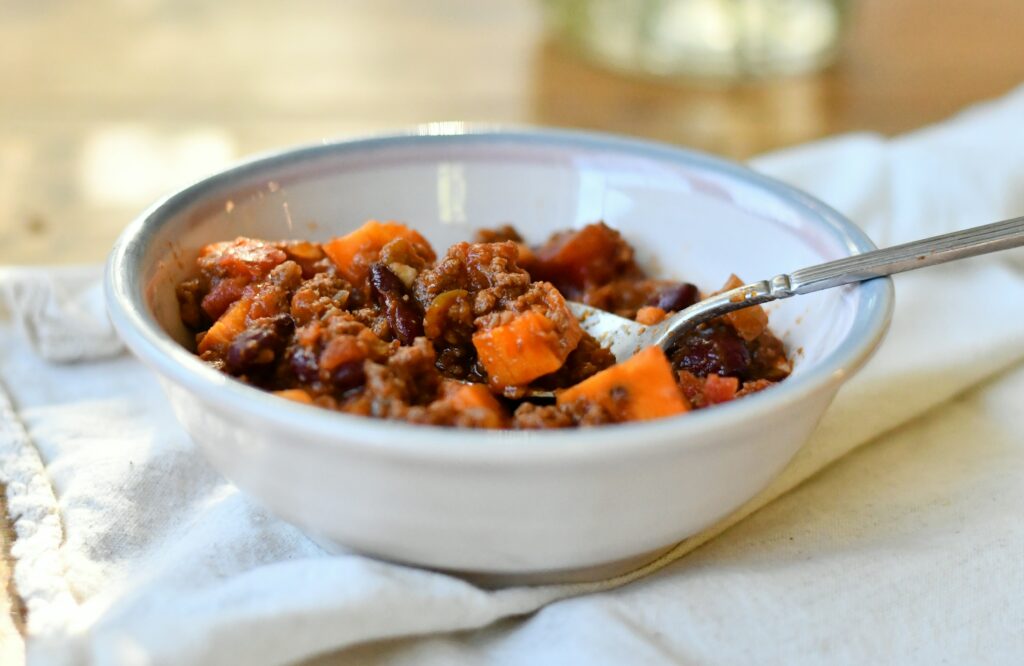
Zesty Greek Lentil Stew

Estimated Nutritional Information per Serving (without optional feta)

  • Calories: 220 kcal

  • Fat: 5 g

  • Saturated fat: 0.7 g

  • Carbohydrates: 35 g

  • Fibre: 9 g

  • Protein: 12 g

  • Sodium: 300 mg

With 1 tablespoon feta per serving

  • Calories: 240 kcal

  • Fat: 7 g

  • Saturated fat: 2 g

  • Carbohydrates: 35 g

  • Fibre: 9 g

  • Protein: 13 g

  • Sodium: 410 mg

Ingredients

1 tablespoon extra virgin olive oil
1 small red onion, chopped
1 medium yellow sweet pepper, chopped
2 cloves garlic, finely chopped
1 cup lentils
2 teaspoons dried oregano
1 teaspoon ground cinnamon
2½ cups low-sodium vegetable broth, divided
1 medium zucchini squash, chopped
1 medium yellow squash, chopped
1 tablespoon tomato puree
½ cup unsweetened pomegranate juice
½ teaspoon sea salt
¼ teaspoon black pepper
¼ cup crumbled feta cheese

Instructions

  1. Sauté the Aromatics: Heat the olive oil in a medium sized pan. Add the chopped red onion and yellow sweet pepper, and sauté for 1 minute. Cover the pot tightly and cook over medium heat for 4 minutes. Add the minced garlic and cook for 1 minute longer.
  2. Add the Lentils and Spices: Stir in the lentils, dried oregano, and ground cinnamon, and cook until the seasoning is fragrant, about 30 seconds.
  3. Simmer the Lentils: Add 2 cups of the low-sodium vegetable broth. Bring the mixture to a boil, then reduce the heat and cover. Simmer the lentils for 25 minutes.
  4. Add the Vegetables and Pomegranate Juice: Stir in the chopped zucchini and yellow squash, tomato puree, pomegranate juice, remaining broth, sea salt, and black pepper. Simmer for 15 minutes, or until the lentils are cooked to your desired tenderness.
  5. Finish and Serve: Remove the stew from heat and let it sit, uncovered, for 15 minutes. Serve warm or at room temperature, divided among soup bowls. Optionally, sprinkle 1 tablespoon of reduced-fat crumbled feta cheese over each serving for a tangy finish.

Tip

To reduce the sodium content in this recipe, consider eliminating or reducing the amount of crumbled feta cheese topping.


Dr. Patel

Dr. Patel is deeply passionate about medical research and helping her patients improve their daily routines, reduce symptoms, and enhance overall health.

More Articles

Cardiovascular Risk Beyond Cholesterol: The Modern Approach to Understanding Heart Health

For decades, cardiovascular risk assessment has often been reduced to a familiar panel of numbers: total cholesterol, LDL cholesterol, HDL cholesterol and triglycerides. These remain important. In fact, current European and American guidance continues to regard LDL cholesterol and other apolipoprotein B containing lipoproteins as central, causal drivers of atherosclerotic cardiovascular disease.  However, cardiovascular disease is not caused by a single abnormal blood test. A person can have an apparently reassuring cholesterol result and still carry substantial cardiovascular risk because

Read More »

Beyond the Step Count: Making Sense of Health Wearables

Wearable technology has come a long way from simply counting our steps. Today’s smart rings, watches, connected scales and glucose sensors can provide a much broader picture of everyday physiology. But with so many devices available, what do they actually tell us? A window into everyday health Different wearables measure different aspects of health. Smart rings such as Oura, Ultrahuman and RingConn focus particularly on sleep, heart rate, heart rate variability, temperature, activity and recovery. Their small size and lack of a

Read More »

The Longevity Holy Grail: From Genetic Risk to Adaptive Resilience

The modern longevity question is no longer simply, “How long can we live?” Increasingly, the more useful question is: “How can we identify important health risks early and support people to maintain health and function for as long as possible?” Longevity medicine is developing rapidly. Advances in genomics, biomarkers, wearable technology and data analysis are creating new opportunities to understand individual health risks. However, it is important to distinguish between what is already established in clinical practice and what remains an

Read More »