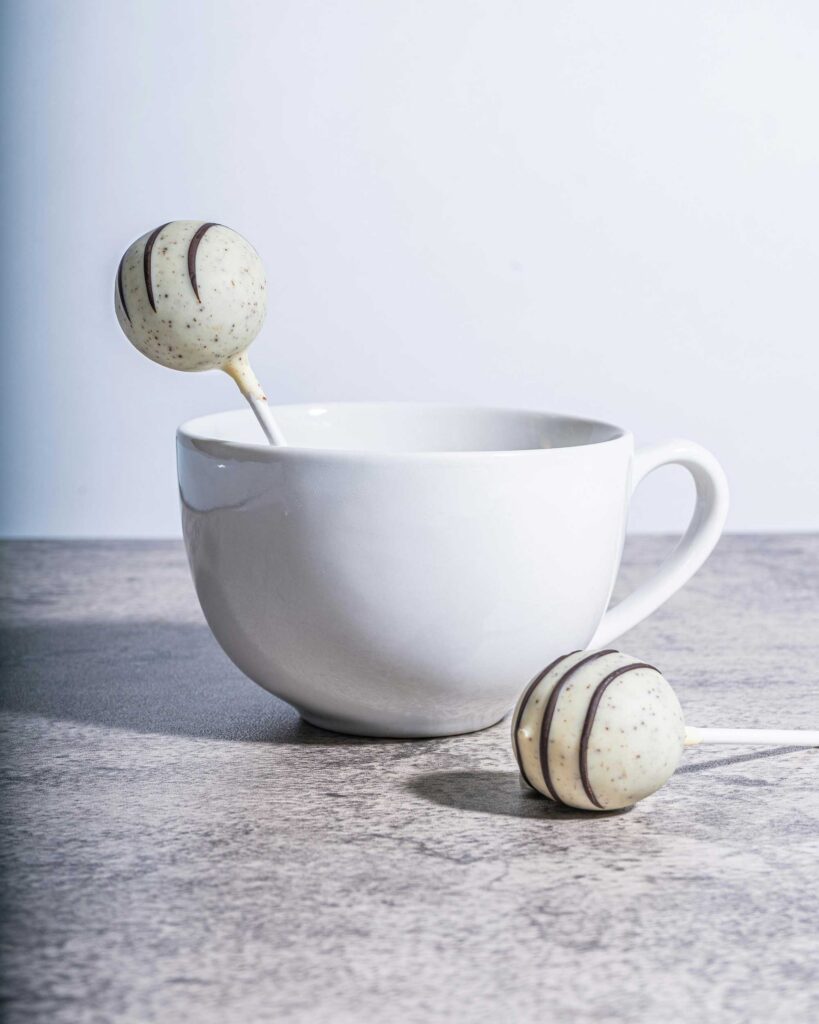
Carrot Cake Pops

These pops are designed with gentle fibres and healthy fats to support stable blood sugar, balanced hormones, and digestive comfort. They are free from gluten, dairy, and refined sugars, making them suitable as a wholesome snack.

Ingredients (Makes 12 pops)

Base

  • 1 cup finely grated carrot (squeezed dry — improves digestion)
  • ¾ cup blanched almond flour
  • ¼ cup tigernut flour (low-FODMAP, gut-supportive prebiotic)
  • 2 pasture-raised eggs
  • ¼ cup unsweetened applesauce (low-FODMAP portion)
  • 2 tbsp coconut oil or ghee-free avocado oil
  • 1 tsp vanilla extract

 Spices

  • 1 tsp cinnamon (blood sugar balance)
  • ½ tsp ginger (gut motility & inflammation)
  • ¼ tsp nutmeg (adrenal support)
  • Pinch sea salt

Sweetening (choose ONE)

  • 2–3 tbsp monk fruit (preferred for gut healing)
  • OR 2 tbsp very finely chopped dates (omit for strict low-FODMAP)

Leavening

  • 1 tsp gluten-free baking powder

Gut-Healing Binder

  • 2–3 tbsp unsweetened coconut yoghurt

Yoghurt Coating

  • ¾ cup thick unsweetened coconut yoghurt
  • 1 tbsp coconut cream
  • Optional: pinch cinnamon or vanilla

Instructions

  1. Preheat oven to 180°C / 350°F
  2. Mix all ingredients until combined
  3. Bake in lined tin 18–22 minutes
  4. Cool completely
  5. Crumble, add yoghurt slowly until dough forms
  6. Roll into balls, freeze 20–30 minutes
  7. Dip into yoghurt coating
  8. Chill until set

Optional Toppings

  • Crushed pumpkin seeds 
  • Coconut flakes
  • Cacao nibs 

Nutrition

  • Calories 115 kcal
  • Protein 4 g
  • Fat 9 g
  • Carbohydrates (Total) 7 g
  • Net Carbohydrates 4 g
  • Fibre 3 g

Notes:

  • Carrot should be finely grated and well-squeezed to prevent excess moisture and improve digestion
  • Coconut yoghurt should be thick/Greek-style for best binding
  • If mixture feels too soft, chill 10 minutes before rolling
  • Monk fruit keeps recipe low-glycaemic; dates increase carbs and FODMAP load
  • Pops can be stored frozen up to 2 weeks; keep chilled once coated for best texture
  • Best served slightly chilled (not fully frozen) for optimal flavour and digestion
Dr. Patel

Dr. Patel is deeply passionate about medical research and helping her patients improve their daily routines, reduce symptoms, and enhance overall health.

More Articles

What Is Manuka Honey. Myth, Medicine or Madness

Manuka honey has moved from health food shop curiosity to clinically recognised wound treatment. But is it a miracle substance, a misunderstood traditional remedy, or simply clever marketing wrapped in scientific language. The answer, as ever in evidence based medicine, lies somewhere in between. Where It Comes From Manuka honey is produced by bees that pollinate the Leptospermum scoparium shrub, native to New Zealand and parts of Australia. What sets it apart from conventional honey is its concentration of methylglyoxal,

Read More »

Supplements Are Tools, Not Solutions

True longevity is built on well-functioning physiological systems. It cannot be bought in a bottle, nor can capsules alone deliver lasting vitality. Supplements, when used wisely, have a role but only within the proper hierarchy of health. They are short-term corrective tools first, performance amplifiers second, and never a substitute for solid behaviour and an aligned environment. If your body’s foundational systems are unstable, no supplement can restore balance on its own. Longevity Is About Systems, Not Symptoms Our bodies

Read More »

Coenzyme Q10 (CoQ10): Evidence-Based Support for Energy and Heart Health

Coenzyme Q10 (CoQ10) is a naturally occurring compound found in almost every cell of the body. It is essential for cellular energy production and contributes to antioxidant protection. Levels of CoQ10 decline with age and may be lower in certain health conditions, which has led to increasing interest in supplementation. This page provides evidence-based information about CoQ10, its potential benefits, dietary sources, supplementation forms, and safety considerations. What Is CoQ10? CoQ10, also called ubiquinone, is a fat-soluble compound present in

Read More »