Carrot Cake Pops

These pops are designed with gentle fibres and healthy fats to support stable blood sugar, balanced hormones, and digestive comfort. They are free from gluten, dairy, and refined sugars, making them suitable as a wholesome snack.

Ingredients (Makes 12 pops)

Base

  • 1 cup finely grated carrot (squeezed dry — improves digestion)
  • ¾ cup blanched almond flour
  • ¼ cup tigernut flour (low-FODMAP, gut-supportive prebiotic)
  • 2 pasture-raised eggs
  • ¼ cup unsweetened applesauce (low-FODMAP portion)
  • 2 tbsp coconut oil or ghee-free avocado oil
  • 1 tsp vanilla extract

 Spices

  • 1 tsp cinnamon (blood sugar balance)
  • ½ tsp ginger (gut motility & inflammation)
  • ¼ tsp nutmeg (adrenal support)
  • Pinch sea salt

Sweetening (choose ONE)

  • 2–3 tbsp monk fruit (preferred for gut healing)
  • OR 2 tbsp very finely chopped dates (omit for strict low-FODMAP)

Leavening

  • 1 tsp gluten-free baking powder

Gut-Healing Binder

  • 2–3 tbsp unsweetened coconut yoghurt

Yoghurt Coating

  • ¾ cup thick unsweetened coconut yoghurt
  • 1 tbsp coconut cream
  • Optional: pinch cinnamon or vanilla

Instructions

  1. Preheat oven to 180°C / 350°F
  2. Mix all ingredients until combined
  3. Bake in lined tin 18–22 minutes
  4. Cool completely
  5. Crumble, add yoghurt slowly until dough forms
  6. Roll into balls, freeze 20–30 minutes
  7. Dip into yoghurt coating
  8. Chill until set

Optional Toppings

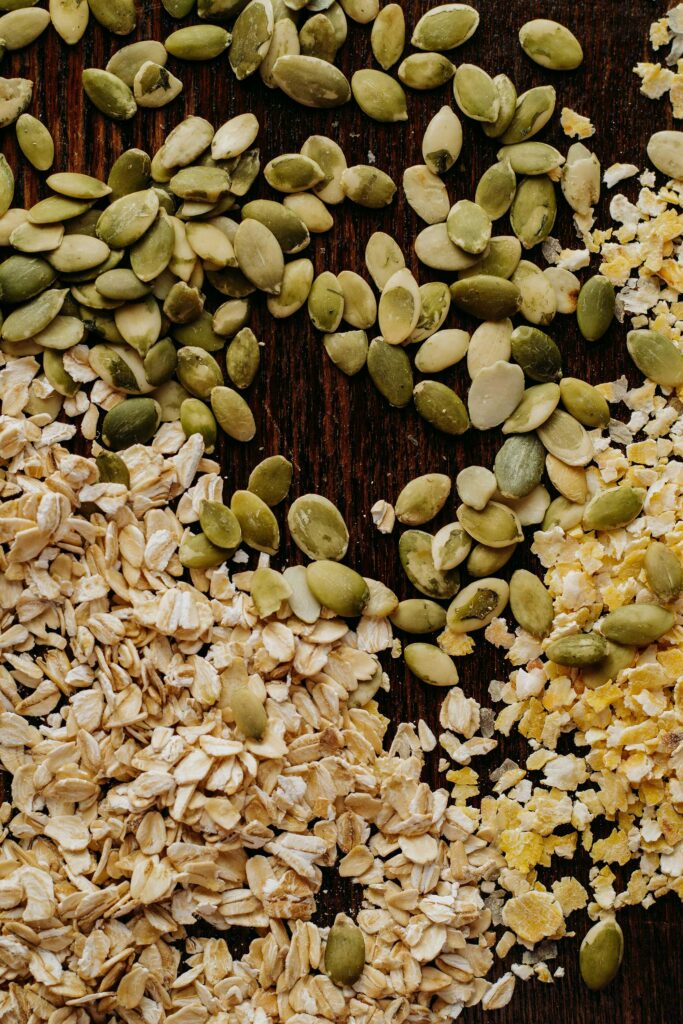
  • Crushed pumpkin seeds 
  • Coconut flakes
  • Cacao nibs 

Nutrition

  • Calories 115 kcal
  • Protein 4 g
  • Fat 9 g
  • Carbohydrates (Total) 7 g
  • Net Carbohydrates 4 g
  • Fibre 3 g

Notes:

  • Carrot should be finely grated and well-squeezed to prevent excess moisture and improve digestion
  • Coconut yoghurt should be thick/Greek-style for best binding
  • If mixture feels too soft, chill 10 minutes before rolling
  • Monk fruit keeps recipe low-glycaemic; dates increase carbs and FODMAP load
  • Pops can be stored frozen up to 2 weeks; keep chilled once coated for best texture
  • Best served slightly chilled (not fully frozen) for optimal flavour and digestion

Dr. Patel

Dr. Patel is deeply passionate about medical research and helping her patients improve their daily routines, reduce symptoms, and enhance overall health.

More Articles

DUTCH Test: Understanding Hormone Patterns with Home Testing

The DUTCH Test (Dried Urine Test for Comprehensive Hormones) is a private laboratory assessment designed to evaluate hormone patterns, metabolites, and related markers using dried urine samples collected at home. Unlike standard blood tests, the DUTCH Test measures multiple hormones across the day to provide a broader view of hormone metabolism and daily rhythms. What Is the DUTCH Test? The DUTCH Test is an at-home hormone test that uses multiple dried urine samples collected throughout the day. It assesses: The

Read More »

Why B Vitamins Matter and Why the Form You Take Is Important

B vitamins are a group of water-soluble nutrients that play important roles in energy metabolism, nervous system function, and overall wellbeing. Each B vitamin contributes to different physiological processes: B1 (Thiamine): Supports energy metabolism and nerve function. B2 (Riboflavin): Involved in energy production and acts as an antioxidant. B3 (Niacin): Supports metabolism and contributes to skin health. B5 (Pantothenic Acid): Helps the body metabolise fats, carbohydrates, and proteins. B6 (Pyridoxine / P-5-P): Supports brain function, neurotransmitter synthesis, and red blood

Read More »

Eat Your Greens: Support Your Gut, Hormones and Sleep 

Cruciferous vegetables such as broccoli, kale, cabbage, cauliflower, and Brussels sprouts contain compounds called indoles. These naturally occurring compounds may contribute to overall wellbeing beyond digestion. How indoles May Support health Hormone Processing Compounds like indole-3-carbinol (I3C) and 3,3’-diindolylmethane (DIM) are involved in the body’s natural pathways for processing oestrogen. Including cruciferous vegetables as part of a balanced diet can support these natural metabolic processes. Gut Health Gut bacteria convert tryptophan from dietary protein into beneficial indole compounds. These compounds

Read More »