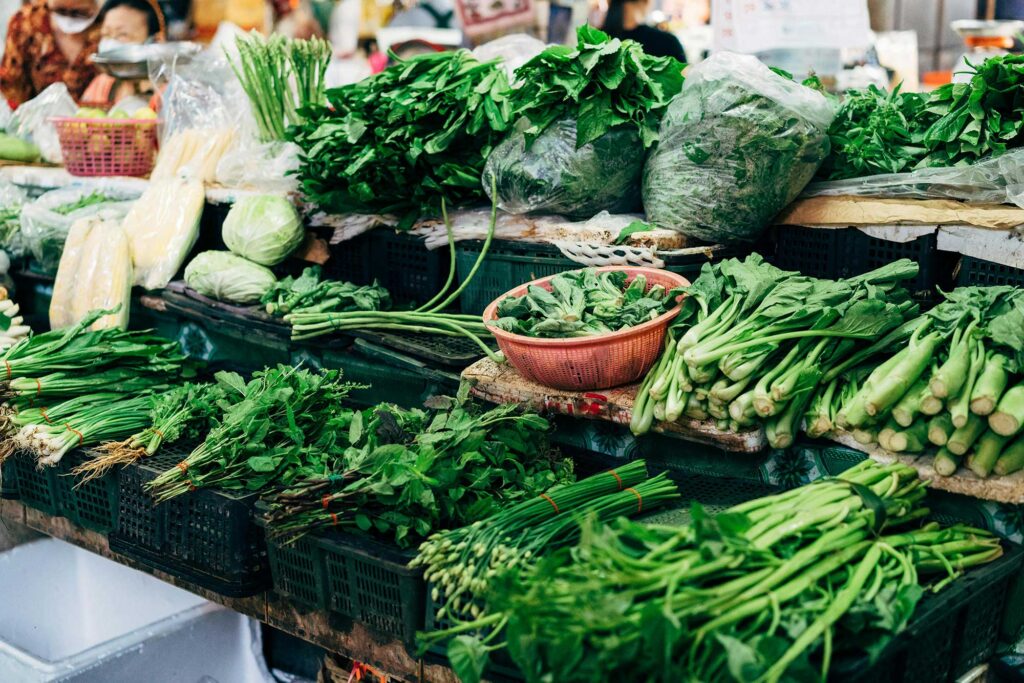
Cruciferous vegetables such as broccoli, kale, cabbage, cauliflower, and Brussels sprouts contain compounds called indoles. These naturally occurring compounds may contribute to overall wellbeing beyond digestion.
How indoles May Support health
-
Hormone Processing
-
Compounds like indole-3-carbinol (I3C) and 3,3’-diindolylmethane (DIM) are involved in the body’s natural pathways for processing oestrogen.
-
Including cruciferous vegetables as part of a balanced diet can support these natural metabolic processes.
-
-
Gut Health
-
Gut bacteria convert tryptophan from dietary protein into beneficial indole compounds.
-
These compounds may help support gut lining integrity and help maintain healthy immune responses.
-
For individuals with sensitive digestion, such as irritable bowel syndrome (IBS), lightly cooked portions may be better tolerated.
-
-
Mood and Sleep
-
Tryptophan from protein foods is a precursor for serotonin and melatonin, linking diet to mood and sleep regulation.
-
Pairing cruciferous vegetables with protein sources supports natural microbial production of indoles.
-
Foods to include
-
Cruciferous vegetables: broccoli stems, kale, bok choy, cabbage (lightly cooked if sensitive)
-
Tryptophan-rich protein sources: eggs, chicken, turkey, salmon, tofu, tempeh, seeds, oats
Practical Tips
-
Aim for 1–2 servings of cruciferous vegetables each day.
-
Include a protein source with your vegetables to support indole formation in the gut.
-
Introduce cruciferous vegetables gradually if you have gut sensitivities.
-
Broccoli sprouts are a convenient way to increase indole intake.
Summary
A diet that includes cruciferous vegetables alongside tryptophan-rich protein foods can support natural hormone processing, digestive wellbeing, and the production of mood and sleep-related compounds. Including these foods as part of a varied diet is a simple, practical approach to supporting overall wellness.
References
- Khan J et al 2025, Indole 3 carbinol and its role in cancer prevention and metabolic regulation, Springer Journal of Pharmaceutical Research
- Banerjee S et al 2025, Dietary indoles and hormone related cancers, ScienceDirect
- Wlodarska M et al 2025, Gut microbiota derived indoles and immune regulation, NIH