
What are Prebiotics & Probiotics?
Prebiotics are non-digestible dietary fibres that selectively nourish beneficial bacteria in the gut. By serving as fuel for these microbes, prebiotics support the production of short-chain fatty acids (SCFAs), such as butyrate, which play an important role in gut barrier integrity and metabolic health.
Common prebiotics include:
-
Fructooligosaccharides (FOS)
-
Galactooligosaccharides (GOS)
-
Xylooligosaccharides (XOS)
-
Inulin
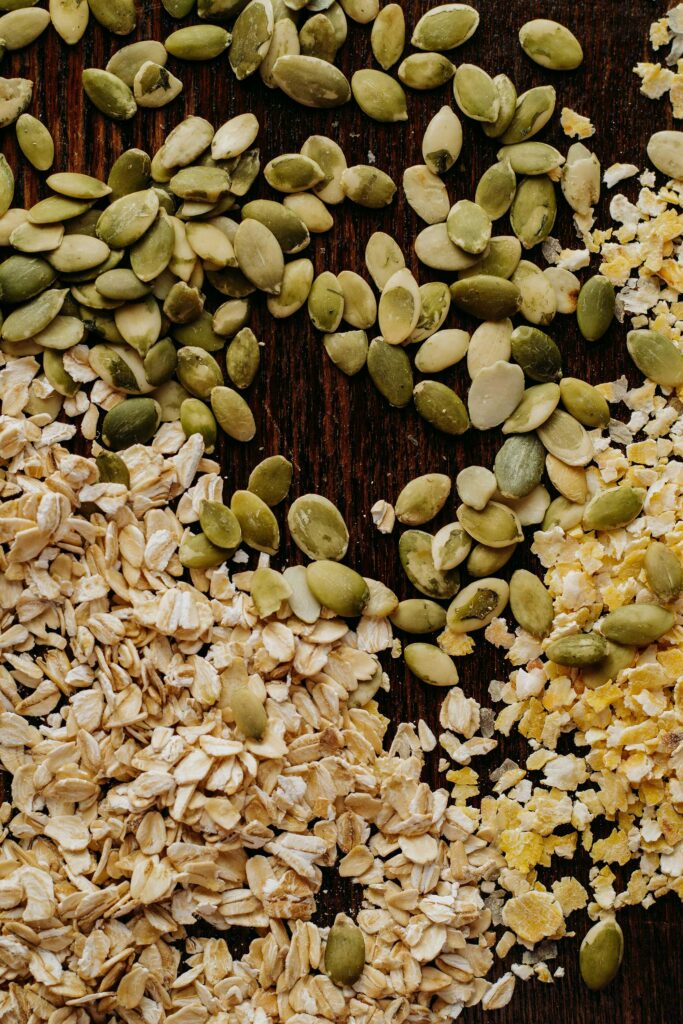
Prebiotics are naturally found in foods such as onions, garlic, leeks, asparagus, chicory root, oats, legumes, and bananas.
Probiotics are live microorganisms that, when consumed in adequate amounts, may confer health benefits to the host. Their effects are strain-specific and depend on dose, formulation, and individual factors.
Well-studied probiotic groups include:
-
Bifidobacterium
-
Lactobacillus
-
Saccharomyces boulardii
-
Bacillus coagulans
Certain probiotic strains have evidence supporting their use in:
-
Maintaining gut microbial balance
-
Supporting digestive function
-
Reducing antibiotic-associated diarrhoea
It is important to note that probiotics are not universally beneficial for everyone, and their effects vary between individuals.
Synbiotics
When prebiotics and probiotics are combined, they form a synbiotic. In this context, the prebiotic component selectively supports the growth and activity of the probiotic organisms, potentially enhancing their survival and function within the gut.
While synbiotics are promising, clinical evidence remains moderate, and benefits depend on the specific combinations used.
The 5R Program: A Holistic Approach to Gut Health
The 5R program is a comprehensive strategy designed to restore gut health. The 5 Rs stand for:
-
- Remove: Eliminate foods and factors that harm the gut, such as inflammatory foods, infections, and metabolic disruptors.
- Replace: Supplement with digestive enzymes and acids that may be deficient.
- Re-inoculate: Introduce beneficial bacteria using probiotics.
- Repair: Heal the gut lining with essential nutrients like L-glutamine.
- Rebalance: Address lifestyle factors such as sleep, exercise, and stress.
Detailed Breakdown of the 5Rs Protocol
1. Remove
-
- Identify and remove foods causing gut irritation and inflammation, such as gluten, dairy, soy, corn, added sugars, and other allergens.
-
- This step allows the gut to heal by eliminating these irritants.
2. Replace
-
- Add digestive enzymes and acids that might be lacking to aid in proper food breakdown and nutrient absorption.
-
- This includes supplements like lactase, proteases, lipases, hydrochloric acid, and bile acids.
3. Re-inoculate
-
- Introduce beneficial probiotics and prebiotic fibers to restore a healthy gut microbiome.
-
- Probiotics aid digestion, while prebiotics like inulin feed existing good bacteria. Fermented foods are excellent sources of both.
4. Repair
-
- Provide nutrients that repair the gut lining, such as glutamine, zinc, antioxidants (A, C, E), fish oil, and collagen.
-
- Bone broth is also recommended for healing the gut mucosa.
5. Rebalance
-
- Address lifestyle factors like stress, sleep, and exercise that affect gut health and digestion.
- Rebalancing these aspects is crucial for maintaining overall gut health.
This approach goes beyond short-term symptom management and supports sustainable gut health as part of a broader lifestyle medicine strategy. The 5R Programme offers a systematic, holistic framework for supporting gut health. Rather than focusing on a single intervention, it integrates dietary, digestive, microbial, and lifestyle factors to promote optimal digestion and nutrient absorption.
References
-
- Gibson, G. R., & Roberfroid, M. B. (1995). Dietary modulation of the human colonic microbiota: introducing the concept of prebiotics. The Journal of Nutrition, 125(6), 1401-1412.
- Slavin, J. (2013). Fiber and prebiotics: mechanisms and health benefits. Nutrients, 5(4), 1417-1435.
- Meyer, D., & Stasse-Wolthuis, M. (2009). The bifidogenic effect of inulin and oligofructose and its consequences for gut health. European Journal of Clinical Nutrition, 63(11), 1277-1289.
- FAO/WHO. (2002). Guidelines for the Evaluation of Probiotics in Food. FAO/WHO Working Group Report.
- Hill, C., Guarner, F., Reid, G., Gibson, G. R., Merenstein, D. J., Pot, B., … & Sanders, M. E. (2014). The International Scientific Association for Probiotics and Prebiotics consensus statement on the scope and appropriate use of the term probiotic. Nature Reviews Gastroenterology & Hepatology, 11(8), 506-514.
- McFarland, L. V. (2015). From yaks to yogurt: the history, development, and current use of probiotics. Clinical Infectious Diseases, 60(suppl_2), S85-S90.
- Schrezenmeir, J., & de Vrese, M. (2001). Probiotics, prebiotics, and synbiotics—approaching a definition. The American Journal of Clinical Nutrition, 73(2), 361s-364s.
- Mullin, G. E., Swift, K. M., Lipski, E. L., Turnbull, L. K., & Rampertab, S. D. (2009). Testing for food reactions: the good, the bad, and the ugly. Nutrition in Clinical Practice, 24(1), 92-102.