Soba Noodle Soup

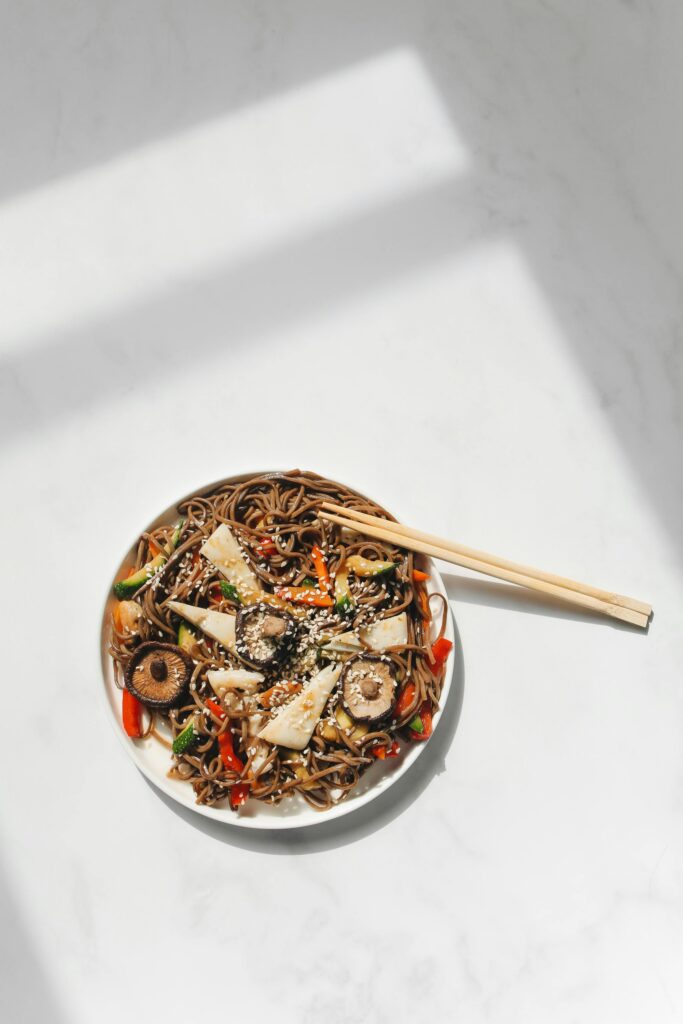
A warm, nourishing bowl featuring 100% buckwheat soba noodles, gently cooked vegetables, and a light, savoury broth. This recipe is free from wheat and dairy and uses simple, minimally processed ingredients.

Ingredients (Serves 2)

Broth

  • 4 cups organic bone broth or vegetable broth 
  • 2 tbsp coconut aminos
  • 1 tsp sesame oil
  • 1 tbsp freshly grated ginger
  • 1 tbsp apple cider vinegar 

Noodles

  • 180 g 100% buckwheat soba noodles

Vegetables 

  • 1 carrot, thinly sliced
  • 1 cup zucchini slices
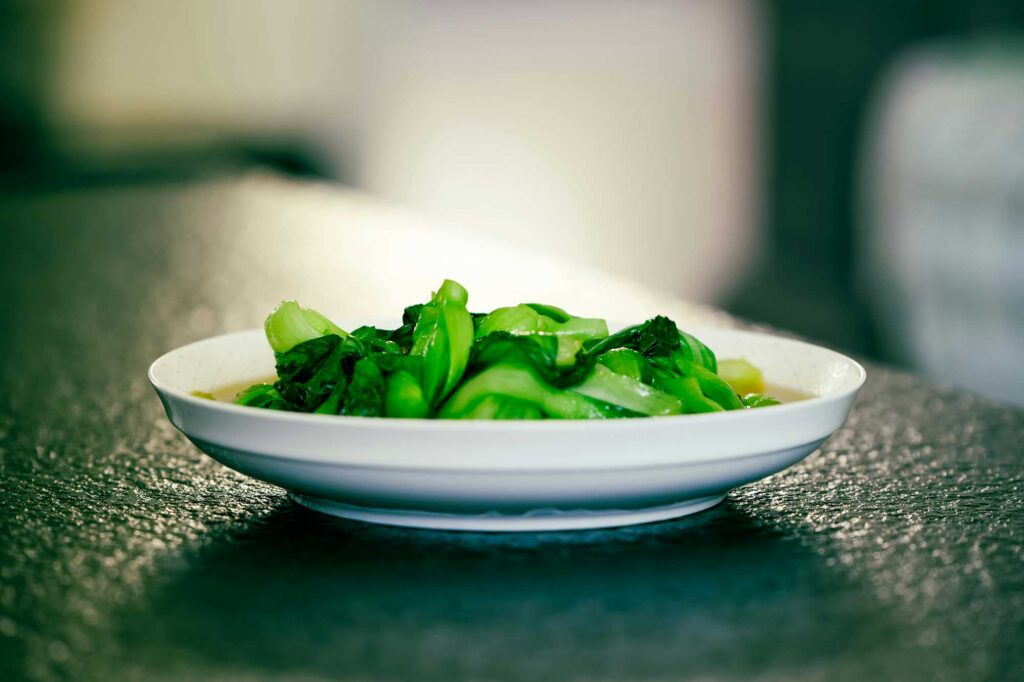
  • 1 cup baby spinach or bok choy
  • 2 spring onion green tops only

Protein 

  • Wild salmon
  • Free-range chicken
  • Organic firm tofu 

Instructions

  1. Cook soba noodles separately, rinse, set aside
  2. In a saucepan, gently warm sesame oil + ginger (no browning)
  3. Add broth, coconut aminos, vinegar. Simmer for 5 minutes
  4. Add carrots & zucchini → simmer 3–4 minutes
  5. Add protein until cooked
  6. Stir in greens last
  7. Serve broth over noodles

Toppings

  • Sesame seeds 
  • Nori strips 
  • Fresh parsley or coriander 

Approximate nutrition for just broth + vegetables:

  • Calories: 70 kcal
  • Protein: 3 g
  • Fat: 3 g (mostly from sesame oil)
  • Carbohydrates: 10 g
  • Fiber: 3 g
  • Sodium: 700–900 mg (varies with broth used)
  • Vitamin A: ~7000 IU (carrot + greens)
  • Vitamin C: 20 mg
  • Iron: 2 mg
  • Calcium: 80 mg

Noodles (per 90 g dry per serving)

  • 100% buckwheat soba noodles (90 g dry, ~100 g cooked)

Nutrition (per serving):

  • Calories: 300 kcal
  • Protein: 11 g
  • Fat: 1 g
  • Carbohydrates: 64 g
  • Fibre: 5 g
  • Magnesium: 80 mg
  • Manganese: 1.2 mg

Total nutrition values will vary depending on the protein selected and specific brands used.
Dr. Patel

Dr. Patel is deeply passionate about medical research and helping her patients improve their daily routines, reduce symptoms, and enhance overall health.

More Articles

What Is Manuka Honey. Myth, Medicine or Madness

Manuka honey has moved from health food shop curiosity to clinically recognised wound treatment. But is it a miracle substance, a misunderstood traditional remedy, or simply clever marketing wrapped in scientific language. The answer, as ever in evidence based medicine, lies somewhere in between. Where It Comes From Manuka honey is produced by bees that pollinate the Leptospermum scoparium shrub, native to New Zealand and parts of Australia. What sets it apart from conventional honey is its concentration of methylglyoxal,

Read More »

Supplements Are Tools, Not Solutions

True longevity is built on well-functioning physiological systems. It cannot be bought in a bottle, nor can capsules alone deliver lasting vitality. Supplements, when used wisely, have a role but only within the proper hierarchy of health. They are short-term corrective tools first, performance amplifiers second, and never a substitute for solid behaviour and an aligned environment. If your body’s foundational systems are unstable, no supplement can restore balance on its own. Longevity Is About Systems, Not Symptoms Our bodies

Read More »

Coenzyme Q10 (CoQ10): Evidence-Based Support for Energy and Heart Health

Coenzyme Q10 (CoQ10) is a naturally occurring compound found in almost every cell of the body. It is essential for cellular energy production and contributes to antioxidant protection. Levels of CoQ10 decline with age and may be lower in certain health conditions, which has led to increasing interest in supplementation. This page provides evidence-based information about CoQ10, its potential benefits, dietary sources, supplementation forms, and safety considerations. What Is CoQ10? CoQ10, also called ubiquinone, is a fat-soluble compound present in

Read More »