Blog

Prebiotics, Probiotics, and the Importance of the 5Rs

What are Prebiotics & Probiotics? Prebiotics are non-digestible dietary fibres that selectively nourish beneficial bacteria in the gut. By serving as fuel for these microbes, prebiotics support the production of short-chain fatty acids (SCFAs), such as butyrate, which play an important role in gut barrier integrity and metabolic health. Common prebiotics include: Fructooligosaccharides (FOS) Galactooligosaccharides (GOS) Xylooligosaccharides (XOS) Inulin Prebiotics are naturally found in foods such as onions, garlic, leeks, asparagus, chicory root, oats, legumes, and bananas. Probiotics are live
Read More »

Recipes

soba noodles
Soba Noodle Soup
A warm, nourishing bowl featuring 100% buckwheat soba noodles, gently cooked vegetables, and a light,...
Read More
indole recipe
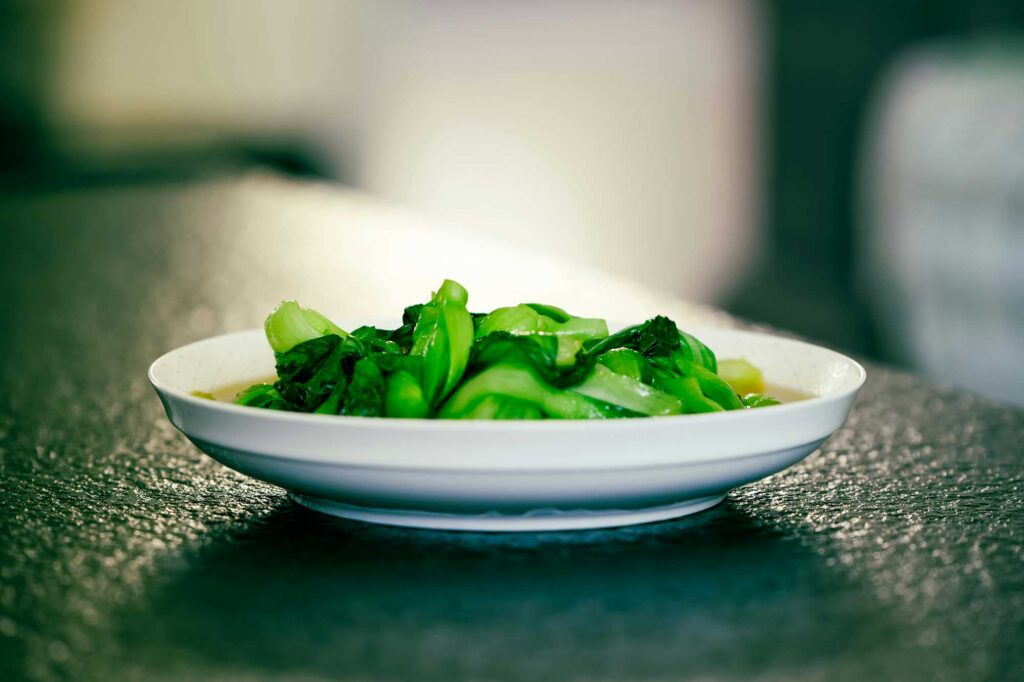
Indole-Rich Stir-Fry with Tofu and Cruciferous Veggies
Serves 2 Ingredients 200 g firm organic tofu (cubed) 1 cup broccoli florets 1 cup Brussels sprouts,...
Read More
cake-pop
Carrot Cake Pops
These pops are designed with gentle fibres and healthy fats to support stable blood sugar, balanced hormones,...
Read More
image
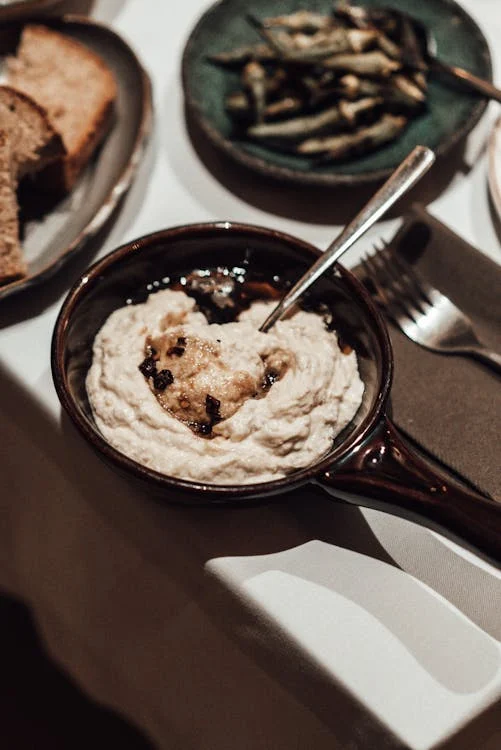
Sweet Potato Hummus
Makes 8 servings (1 serving ≈ ⅓ cup) Nutrition (per serving): approximate values Calories: 180 Fat:...
Read More
pexels-taryn-elliott-4099237
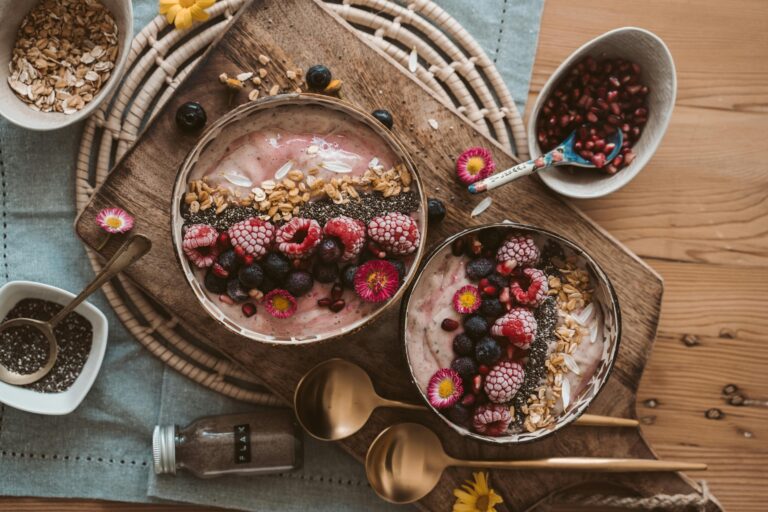
Acai Rainbow Bowl
Servings: 2Preparation time: 10 minutesNo cooking required Ingredients For the Base: 1 pack (100g)...
Read More
holly-spangler-lrtfNWl3dsE-unsplash
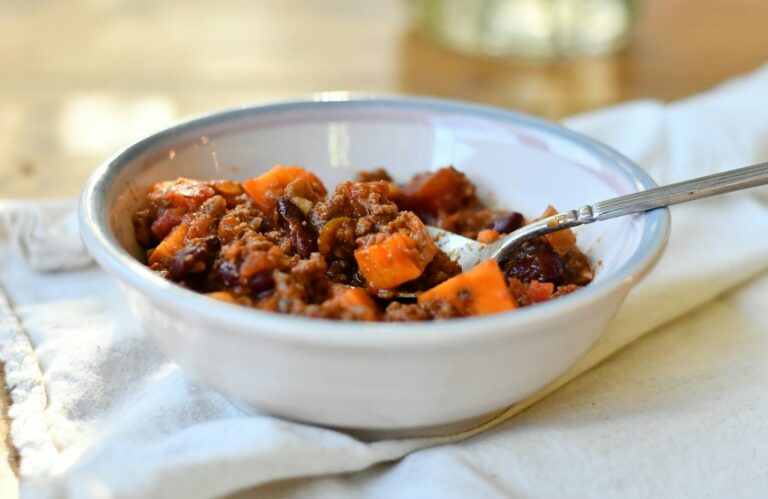
Zesty Greek Lentil Stew
Estimated Nutritional Information per Serving (without optional feta) Calories: 220 kcal Fat: 5 g Saturated...
Read More
Previous
Next

Product Reviews

Iron. Haem, Non Haem and Why It Matters for Women’s Health

Iron is fundamental to human life. It forms the core of haemoglobin, the protein in red blood cells that transports oxygen around the body. It is also essential for energy production, cognitive performance and normal immune function. Iron deficiency remains the most common nutritional deficiency worldwide and disproportionately affects women. Menstrual blood loss, pregnancy and increased requirements during the reproductive years all contribute. Guidance from the NHS recognises iron deficiency anaemia as a common and clinically significant condition in the

Read More »

Vitamin D. Bone Strength, Immunity and Women’s Wellbeing

Vitamin D is often described as a vitamin, yet in biological terms it behaves more like a hormone. It plays a central role in calcium absorption, bone metabolism, muscle function and immune regulation. In the United Kingdom, maintaining adequate levels is a recognised public health issue, particularly for women, older adults and people with darker skin. According to the NHS, vitamin D deficiency and insufficiency are common, especially during autumn and winter when ultraviolet B sunlight is too weak at

Read More »

What Is Manuka Honey. Myth, Medicine or Madness

Manuka honey has moved from health food shop curiosity to clinically recognised wound treatment. But is it a miracle substance, a misunderstood traditional remedy, or simply clever marketing wrapped in scientific language. The answer, as ever in evidence based medicine, lies somewhere in between. Where It Comes From Manuka honey is produced by bees that pollinate the Leptospermum scoparium shrub, native to New Zealand and parts of Australia. What sets it apart from conventional honey is its concentration of methylglyoxal,

Read More »